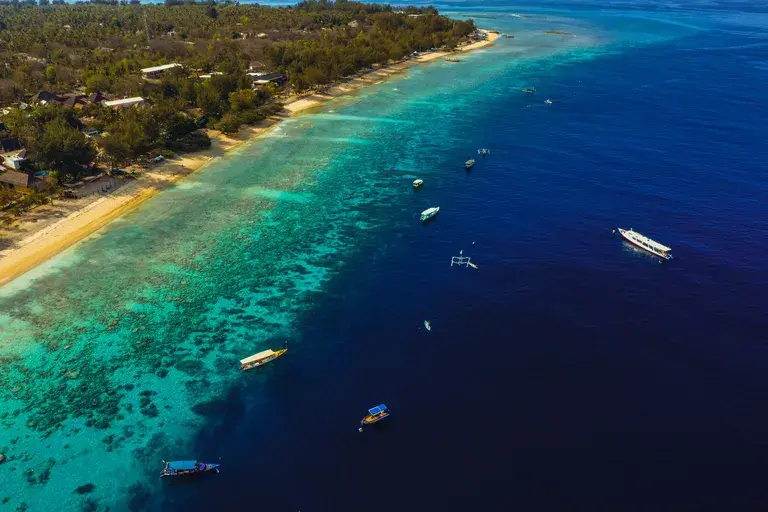

For decades, Bali has been one of the world's most favorite travel destinations. While many places experienced a strong post-pandemic recovery, Bali has managed to sustain its momentum, attracting millions of international visitors year after year. Based on our Bali Market Report 2025, the Island of the Gods welcomed 6.95 million international tourists, representing 9.7% year-on-year growth following an exceptional 20.1% increase in 2024. Rather than a temporary rebound, these figures signal a tourism market that is entering a more stable and sustainable phase.
So, what continues to make Bali the top tourism destination in Southeast Asia? Here's why!
Tourism Growth That Shows No Signs of Stopping
Despite global economic uncertainty and increased competition from neighboring destinations, Bali continues to outperform expectations.
The report also found international visitor arrivals reached nearly 7 million travelers, making Bali one of the strongest-performing tourism markets in Southeast Asia. Australia remained the island's largest source market, accounting for approximately 35% of international arrivals, followed by India, China, South Korea, the United Kingdom, France, the United States, Malaysia, Japan, and Germany. Meanwhile, Russia, China, Japan, South Korea, and New Zealand recorded some of the fastest visitor growth rates among markets with more than 100,000 annual arrivals.
This steady growth demonstrates that Bali's appeal extends across multiple international markets rather than relying on a single country or traveler segment. As global travel continues normalizing, Bali remains firmly positioned as Indonesia's primary gateway for international tourism.
Bali Offers Something for Every Traveler
One of Bali's greatest strengths is its ability to appeal to virtually every type of traveler.
Luxury honeymooners can escape to the cliffside properties of Uluwatu, while surfers continue chasing waves along the Bukit Peninsula. Wellness seekers head to Ubud for yoga retreats, cultural activities, and nature-inspired experiences. Families appreciate Seminyak and Nusa Dua for their convenience and upscale hospitality, while younger travelers and digital nomads gravitate toward Canggu's cafe trends, coworking spaces, and nightlife.
Rather than competing with one another, Bali's destinations have evolved into travel ecosystems. Our 2025 data highlights how Canggu has become a lifestyle destination where guests prioritize community, dining, fitness, and walkability. Ubud continues attracting visitors seeking spirituality, wellness, and authentic Balinese culture, while Uluwatu has strengthened its reputation as a premium destination for surfing, destination weddings, and luxury vacations. Each region serves different traveler motivations, allowing Bali to diversify its tourism economy and reduce dependence on any single visitor profile.
Travelers are Staying Longer Than Ever
Tourism is encouraging travelers to stay longer. One of our report's most notable findings is the increase in the Average Length of Stay (ALOS). Travelers are no longer treating Bali as a quick beach trip. Instead, they're increasingly choosing the island as a temporary home, combining work, leisure, wellness, and exploration in a single trip.
Several trends are driving this shift. The rise of remote work has made "workations" increasingly common, allowing professionals to spend weeks or even months in Bali while working online. At the same time, digital visa extension processes have made it significantly easier for travelers to extend their stay. Many visitors also prefer using destinations like Canggu as a base, taking day trips across the island instead of constantly changing accommodations.
For villa owners, hospitality businesses, and local communities, longer stays translate into greater visitor spending, higher occupancy stability, and stronger long-term economic benefits.
Infrastructure is Supporting Bali's Next Growth Phase
As tourism continues to expand, Bali is investing in infrastructure that improves accessibility and visitor experience. The Directorate General of Immigration stated that Ngurah Rai International Airport has 90 automated immigration gates equipped with biometric technology, reducing immigration processing times to as little as 15-25 seconds for many international travelers. This creates a smoother arrival experience while increasing airport efficiency during peak travel seasons. These improvements reflect Indonesia's broader commitment to modernizing its tourism infrastructure and accommodating the growing number of international visitors. Faster airport processing not only enhances the overall travel experience but also reinforces Bali's position as a convenient and welcoming destination for both leisure and business travelers. As connectivity and travel convenience continue to improve, the island is expected to remain one of Southeast Asia's most attractive destinations for tourism and property investment alike.
Tourism is Becoming More Experience-Driven
Modern travelers increasingly prioritize meaningful experiences over traditional sightseeing, and Bali is exceptionally well-positioned to meet that demand.
Instead of simply booking hotels, visitors are seeking curated experiences that reflect their personal interests. Surf camps, yoga retreats, wellness programs, culinary tours, cultural workshops, diving excursions, destination weddings, and luxury villa stays have all become major drivers of tourism demand.
This evolution is reflected in traveler behavior across the island. Canggu attracts lifestyle-focused visitors looking for community and creativity. Ubud remains synonymous with wellness and culture, while Uluwatu appeals to travelers seeking exclusivity, coastal scenery, and premium hospitality.
Rather than competing on price, Bali continues to differentiate itself through authentic experiences that encourage repeat visits.
A Growing Tourism Industry Creates New Investment Opportunities
Strong tourism performance continues to support Bali's property and hospitality sectors.
Although our report notes that the rapid growth in villa supply has created greater competition, particularly among one- to three-bedroom properties, it also highlights that international demand remains resilient. As the market matures, success increasingly depends on professional property management, operational excellence, dynamic pricing, and differentiated guest experiences rather than simply adding more inventory.
This shift represents a healthy evolution of Bali's tourism industry. Today's travelers have higher expectations than ever before, rewarding properties that offer outstanding design, personalized service, seamless technology, and memorable experiences. Investors who focus on quality, compliance, and long-term operational performance are likely to benefit as the market continues stabilizing.
Looking Ahead: Bali's Tourism Outlook for 2026
The outlook for Bali remains optimistic. International arrivals are expected to continue growing throughout 2026, although at a more sustainable pace than the rapid rebound years immediately following the pandemic. At the same time, new infrastructure, stronger regulatory oversight, improving air connectivity, and continued demand from international travelers are expected to reinforce Bali's position as one of Asia's leading tourism destinations.
Rather than pursuing rapid expansion, Bali is entering a new phase focused on quality, sustainability, and long-term resilience. This transition is likely to benefit both travelers and investors by creating a more balanced tourism ecosystem built on better infrastructure, professional hospitality standards, and diverse travel experiences.
Better Investment Starts Here
Bali's continued success isn't defined by beautiful beaches alone. It's the island's remarkable ability to evolve with global travel trends while preserving the culture, hospitality, and natural beauty that has attracted visitors for generations.
For investors, these trends present more than just encouraging tourism statistics. They reflect a market supported by strong, long-term demand. If you're considering your first Bali villa or expanding an existing portfolio, success depends on choosing the right property, the right location, and the right partner.
At Betterplace, we help investors navigate every step of the journey, from sourcing high-potential properties and conducting market analysis to professional property management that maximizes rental performance. If you're ready to turn Bali's growing tourism market into a smart investment, your journey starts with Betterplace.