

Bali has a lot to offer. You can find beaches, temples, rice fields, jungle paths, and markets all in one place. This is why many people visit Bali. According to the Betterplace Bali Market Report 2025, Bali welcomed over 16.3 million visitors, reflecting strong and sustained tourism demand.
You can have fun in Bali no matter how much you want to spend.
This is your guide to 10 of the most fun and unique things to do in Bali. We will also give you some tips for kids, adults, and families. If you only have one day, try to do all three. They will give you an experience of Bali.
1. Take a Nusa Penida day trip
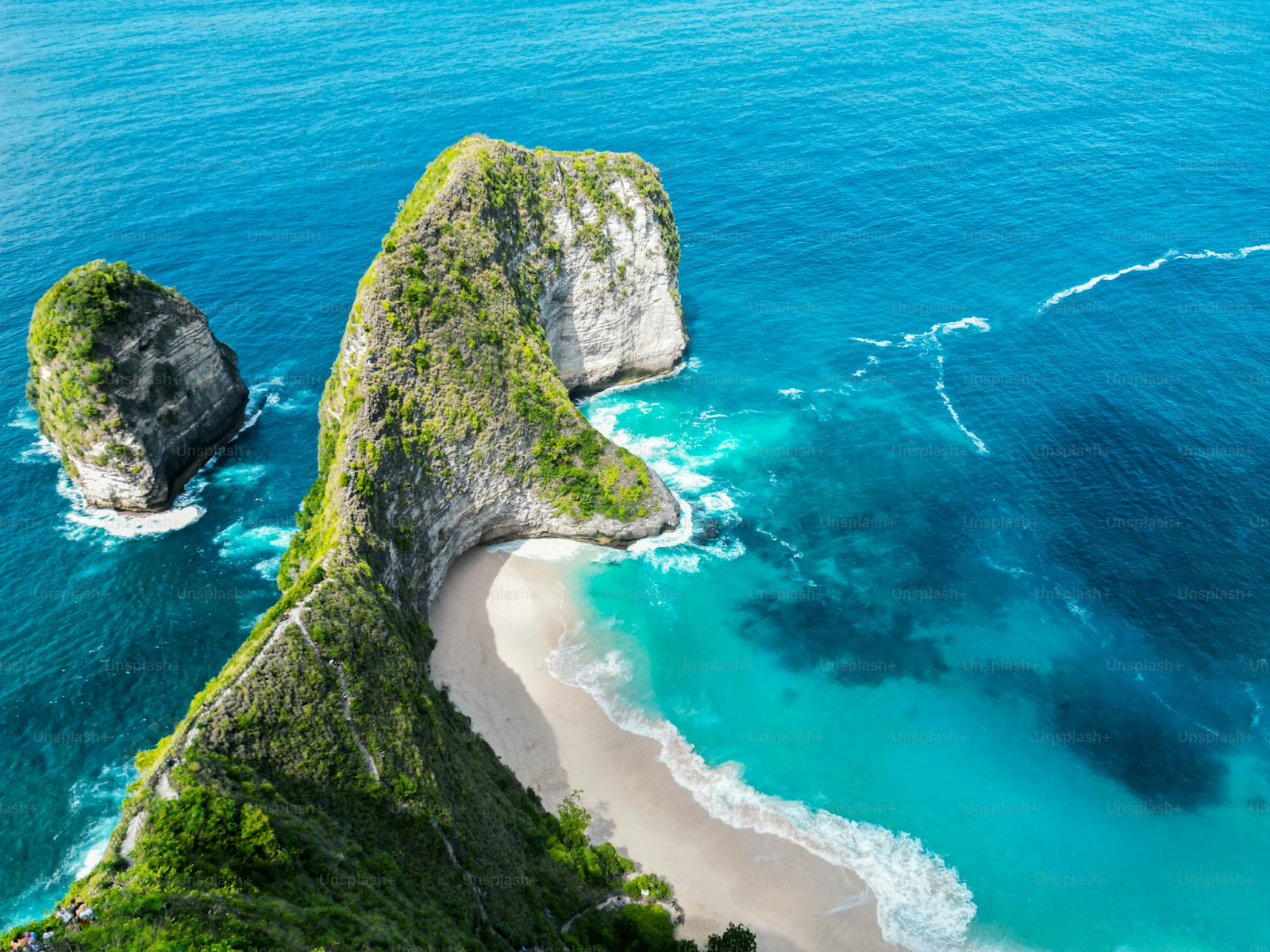
If you are looking for an amazing experience in Bali, a day trip to Nusa Penida is a great idea. Nusa Penida is an island east of Bali, and it is very famous for Kelingking Beach, one of the world's most beautiful beaches. Broken Beach and Angel's Billabong are places you have to visit on Nusa Penida, and the island has excellent viewpoints for amazing photos.
Prices
- Fast boat from Sanur to Nusa Penida: IDR 150,000–300,000 one way
- Round-trip fast boat ticket: IDR 300,000–600,000 per person
- Full-day Nusa Penida tour with transport: IDR 500,000–1,800,000 per person
- Scooter rental on the island: IDR 70,000–150,000 per day
Best time to visit
The best time to visit Nusa Penida is early in the morning, so you have enough time to explore without rushing. It is also better to visit during the dry season, when sea conditions are usually calmer and travel around the island is easier.
How to get there
Getting to Nusa Penida takes time. Ferries to the island leave from Sanur Harbor, and once you arrive, the roads are steep, narrow, and often bumpy, so Nusa Penida is not a place to hurry. Plan to leave early in the morning to make the most of your day.
Most travelers get to Nusa Penida by fast boat from Sanur Harbor. After arriving on the island, the easiest way to get around is by tour car, private driver, or scooter.
If you are staying in areas like Seminyak, Canggu, or Ubud, you should leave early, as you need to get to Sanur before boarding the boat.
When you return to Bali from Nusa Penida, you will arrive at Sanur Harbor. You may notice taxis waiting near the port to take travelers back to their resorts.
Unfortunately, these taxis are often overpriced. Drivers may tell you that Grab or Gojek cannot pick up passengers from the port, but in most cases, you can simply walk a short distance away from the harbor area and book a rideshare there.
West vs East route
The west side has some cool spots like Kelingking Beach, Broken Beach, and Angel’s Billabong. This side has popular viewpoints and is great for taking awesome photos, but you have to be careful because some areas have really steep climbs.
On the other hand, the east side has Atuh Beach and Diamond Beach, which are also amazing but not as crowded. You have to walk down staircases to get to the sand. It's an idea to choose one side to explore so you don't feel rushed.
What to book
You can choose a full-day tour to Nusa Penida that includes ferry tickets, island transport, and a guide. You can also book ferry tickets separately and rent a scooter or car on the island.
Tours are often the easier option because the island's roads can be tricky. They are also convenient if you do not want to handle the planning yourself.
Tips for visiting
- 1. Bring water, sunscreen, and comfortable shoes
- 2. Choose either the west side or the east side of the island for a day trip
- 3. Leave extra time for the return transfer from Sanur Harbor
- 4. Use Grab or Gojek away from the port area if local taxis are overpriced
- 5. Safety is important on Nusa Penida. Stick to marked paths, be careful near cliff edges and uneven stairs, and take breaks in the heat to avoid exhaustion.
2. Snorkel with manta rays
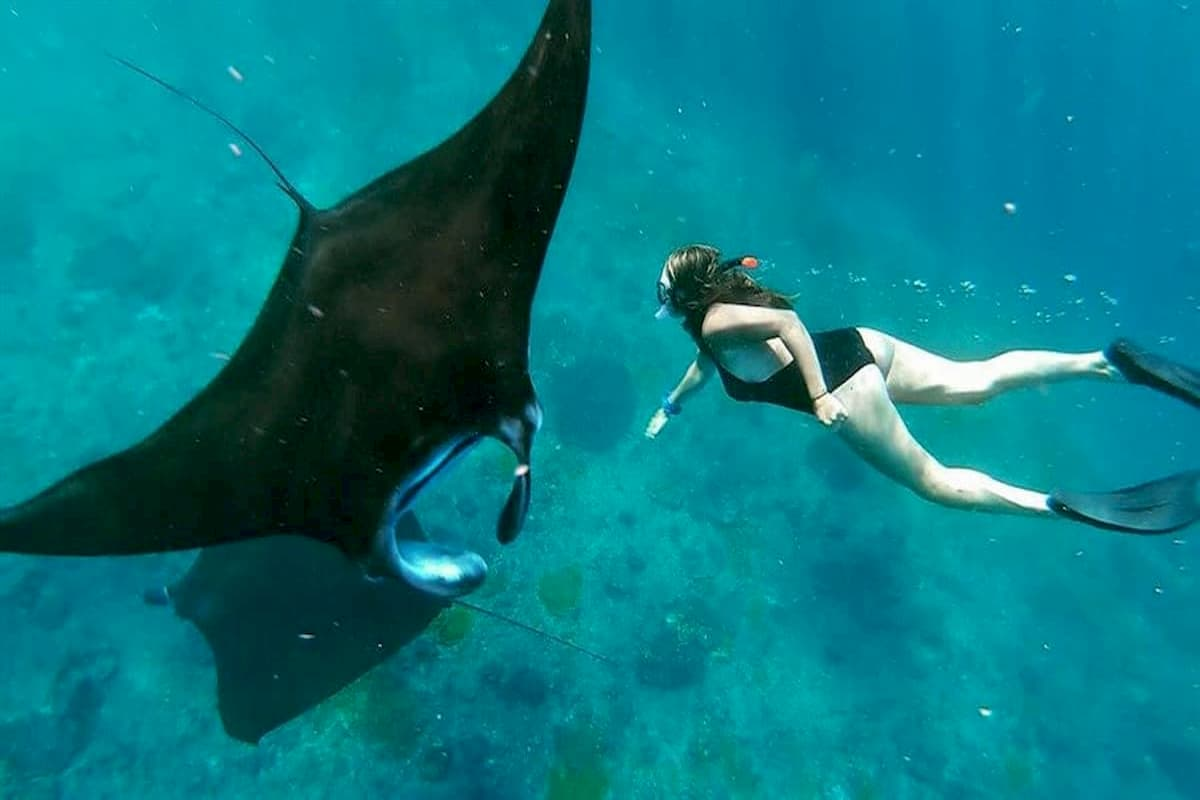
Snorkeling with manta rays is one of Bali’s most unforgettable experiences, but it’s important to know that wildlife is never guaranteed. Mantas are wild animals, so sightings depend on ocean conditions and timing, but when they do appear, it’s magical.
We recommend this experience for confident swimmers and beginners alike, as long as you go with a licensed tour that provides in-water guides. Most tours include the basics: mask, fins, a boat, and a local guide who helps spot mantas and manage safety in the water.
Sea conditions can change quickly, and the ride out can be choppy, so take sea-sickness medication in advance, and make sure to wear a life jacket if needed. The waters around Manta Bay are very, very rough and can be dangerous at times. It’s essential to listen to the guide's safety briefing, and if you feel the current is too strong, stay on the boat.
Prices
Typical costs for manta ray snorkeling tours:
- Shared snorkeling tour: IDR 800,000–1,200,000 per person
- Private boat snorkeling tour: IDR 2,500,000–4,500,000 per boat
- Full-day snorkeling trip with multiple stops: IDR 1,200,000–2,000,000 per person
Most tours include snorkeling equipment, boat transport, and guides.
Best time to visit
Manta rays can be seen year-round, but ocean conditions tend to be calmer during Bali’s dry season (April–October).
Morning tours are usually the best option because sea conditions are calmer, visibility is often better, and fewer boats are at the snorkeling sites
How to get there
Most manta ray snorkeling tours depart from Sanur Harbor and travel by fast boat to the Nusa Penida area, where manta rays are commonly seen around Manta Bay or Manta Point.
A typical trip includes: transfer from Bali to Sanur Harbor, boat ride to Nusa Penida snorkeling sites, and several snorkeling stops during the day. Many tour operators include transport and equipment in the booking.
What to book
If you want an easy way to organize this experience, you can book a manta ray snorkeling tour in Bali with transport, equipment, and guides included.
First-timer checklist
- 1. Wildlife isn’t guaranteed. Manta rays are wild, so sightings can’t be promised.
- 2. Swimmer level. Confident swimmers are fine, but beginners will need a guide and a life jacket.
- 3. What’s included. Most tours provide a mask, fins, a boat, and an experienced guide.
- 4. Seasickness tip. Take medication if you’re prone, and check sea conditions before heading out.
- 5. Sun and water. Bring sun protection and plenty of water to stay hydrated. Remember to reapply water-resistant sunscreen every 2 hours for the best protection.
- 6. Respect wildlife. Keep your distance, don’t chase or touch the rays, and move slowly in the water to avoid disturbing them.
3. Hike Mount Batur at sunrise

Hiking Mount Batur is probably Bali’s most famous thing to do, and something that you should try at least once in your life.
If you are preparing for a trip to Mount Batur, you will need a simple plan to take you there. Most of the time, this starts with being picked up very early (around 2–3 a.m.), hiking up in the dark with a guide, arriving at the top to watch the sunrise, and then returning down. The walk is not easy, but it’s accessible to those with decent athletic abilities. There are steep, rocky sections of the path, but most people in good physical shape can handle it. It can take 2 to 3 hours to go up and about 1.5 to 2 hours to come down.
If the weather is good, you will see the sun rising over Lake Batur and other volcanoes. If clouds are hiding the sun, it’s still a beautiful view worth seeing. Afterwards, most people enjoy a simple breakfast and the chance to visit the nearby hot springs.
Prices
Typical Mount Batur sunrise hike costs:
- Group sunrise trekking tour: IDR 500,000–900,000 per person
- Private trekking tour: IDR 1,500,000–3,000,000 per group
- Hot springs entry after the hike: IDR 200,000–400,000 per person
Many tours include hotel pickup, a guide, flashlights, and breakfast.
Best time to visit
Mount Batur hikes run year-round, but the best conditions are usually during Bali’s dry season (April–October) when trails are less muddy, and visibility is clearer.
The hike always begins very early in the morning so hikers can reach the summit before sunrise.
How to get there
Mount Batur is located in the Kintamani region of northeast Bali, about:
- 1.5 hours from Ubud
- 2–2.5 hours from Seminyak or Canggu
Most travelers join a guided tour with hotel pickup, which makes early-morning logistics much easier.
What to book
The easiest way to plan this experience is to book a Mount Batur sunrise hiking tour that includes transport, a local guide, and breakfast at the summit.
Many tours also offer optional stops at Batur's natural hot springs after the hike – a popular way to relax.
Group tour vs private guide
Group tours are usually budget-friendly, include transport, and are ideal if you don’t want to handle logistics. You’ll hike with other travelers at a set pace.
Private guides are another option that provides a more personalized experience, where you can adjust the pace to your fitness level or add extra stops or local insights. They cost more but are good for first-timers or those who want flexibility.
Tips for hiking
- 1. Dress in layers. Temperatures at the summit can drop below 10°C, and it can be windy before sunrise.
- 2. Wear comfortable hiking shoes because parts of the trail are steep and rocky.
- 3. Bring a small flashlight or headlamp if your tour does not provide one.
- 4. Start the hike well rested, since pickup usually happens around 2–3 a.m.
- 5. If you want a more relaxed experience, consider visiting the hot springs after the hike to recover.
4. Chase a waterfall you can swim in
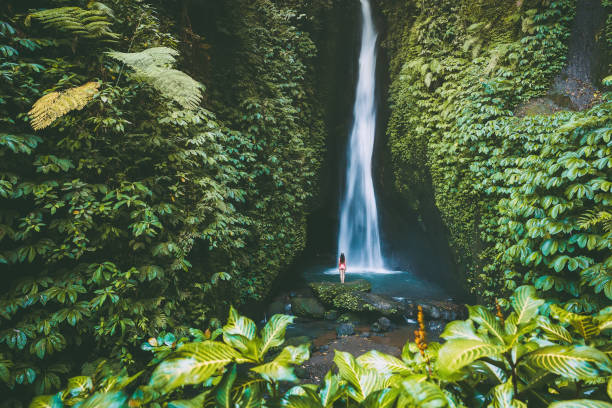
Bali offers plenty of waterfalls where swimming is allowed, but which one to choose depends on your own preferences. For people who prefer less physical effort, it is advisable to choose waterfalls with easy access, such as Tibumana. If you prefer something more physically demanding, Sekumpul is another option that requires a guide and steep trekking up 500+ steps.
Swimming near waterfalls can be an amazing experience, but safety should always come first. Rocks are often slippery, and after heavy rain, water flow can increase. Avoid swimming if the current looks too strong or if warning signs are present.
Prices
Typical waterfall entrance fees in Bali:
- Tegenungan Waterfall: IDR 20,000–30,000
- Tibumana Waterfall: IDR 20,000–30,000
- Tukad Cepung Waterfall: IDR 20,000–30,000
- Sekumpul Waterfall (with local guide): IDR 150,000–250,000
Parking usually costs IDR 5,000–10,000.
Best time to visit
The best time to visit waterfalls is during the dry season (April–October) when trails are safer, and water clarity is better.
Morning visits are usually the best because temperatures are cooler, trails are less crowded, and lighting is better for photos.
How to get there
Most of Bali’s waterfalls are located in central and northern Bali, especially around Ubud, Gianyar, and the Buleleng region.
Travel times vary depending on the waterfall:
- Tegenungan: about 30 minutes from Ubud
- Tibumana: about 45 minutes from Ubud
- Sekumpul: about 2–2.5 hours from Ubud
Many travelers visit waterfalls by scooter, private driver, or guided tour.
Half-day waterfall route
If you only have a few hours, you can still visit multiple waterfalls without rushing by planning a simple route.
Stop 1 — Tegenungan Waterfall
Start with an easy-access waterfall like Tegenungan for a quick dip and photos.
Stop 2 — Tibumana or Tukad Cepung
Next, continue to Tibumana or Tukad Cepung, where a short jungle walk adds to the experience. These waterfalls usually feel quieter and more private compared to the busiest spots.
Timing Tips:
- 1. Try to visit early in the morning to avoid the hottest part of the day.
- 2. Bring water shoes, a dry bag, and extra drinking water.
- 3. Always check the water flow and skip swimming if the current is strong.
This route gives you a taste of Bali’s waterfalls in one morning or afternoon without feeling rushed.
Tips for the trip
- 1. Wear water shoes because rocks around waterfalls are often slippery.
- 2. Bring a dry bag to protect your phone and valuables.
- 3. Carry extra clothes if you plan to swim.
- 4. Always check the water flow after rain and avoid swimming if the current is strong.
- 5. Try to visit early in the day to avoid crowds and the midday heat.
5. Learn to surf at a beginner beach

Bali is one of the easiest locations to pick up surfing in the world. The warm water, consistent wave patterns, and the many teachers make it perfect for people trying it for the first time. You can find the lessons nearly everywhere, and they cost less than in some other surfing hubs.
When you are picking a beach for learning, look for one with sandy floors, gentle waves, and a clear spot just for lessons. Kuta, Legian, and some areas of Seminyak are popular choices because the conditions are friendlier, and an instructor can always help if needed.
To begin, lessons usually start on land, where people learn paddling, popping up, and some simple ocean safety. Later, you go into the sea together with the instructor so that you get direct advice and correction.
Prices
Typical beginner surf lesson costs:
- Group surf lesson: IDR 350,000–600,000 per person
- Private surf lesson: IDR 700,000–1,200,000 per person
- Surfboard rental: IDR 100,000–200,000 per hour
Most lessons include a surfboard, rash guard, and instructor guidance.
Best time to visit
Surf lessons can be taken year-round in Bali, but conditions for beginners are usually best during the dry season (April–October).
Morning sessions are recommended because waves are usually smaller and calmer, beaches are less crowded, and the sun is not as strong.
What to book
Beginner surf beaches are located along Bali’s west coast, especially in Kuta, Legian, and Seminyak. These areas have sandy bottoms, gentle waves, and many surf schools operating directly on the beach, which makes them ideal for first-time surfers.
You can easily book a beginner surf lesson in Kuta through operators such as Kuta Beach beginner surf lessons, where instructors provide the board, rash guard, and basic safety guidance before heading into the water.
Another popular beginner location is Legian Beach, where many schools offer small-group or private lessons directly on the sand. For example, you can book a Legian Beach surf lesson with local instructors that includes equipment and in-water coaching.
If you are staying further north, it is also easy to book a surf lesson in Seminyak, where several local surf schools offer beginner-friendly training programs and experienced instructors who guide you step by step.
First lesson plan
Book a morning lesson when the waves are usually smaller and conditions are calmer. This also helps you avoid the strongest sun later in the day.
Beach practice
The lesson typically starts with about 10 minutes of beach practice, covering board basics, paddling, pop-ups, and where beginners should surf.
Water practice
You’ll then spend 60 to 90 minutes in the water, catching small waves with hands-on help from your instructor and taking short breaks as needed.
After the lesson
After the session, rinse off at a nearby facility and grab a meal near the beach. Wear a rash guard and use sun protection, as you’ll be in the water longer than you expect.
Tips for a surfing lesson
- 1. Choose a beach with a sandy bottom, which is safer for beginners.
- 2. Wear a rash guard to protect your skin from the board and the sun.
- 3. Apply water-resistant sunscreen before entering the water.
- 4. Expect to fall many times — this is a normal part of learning.
- 5. Drink water and take breaks, especially during midday heat.
6. Try white-water rafting
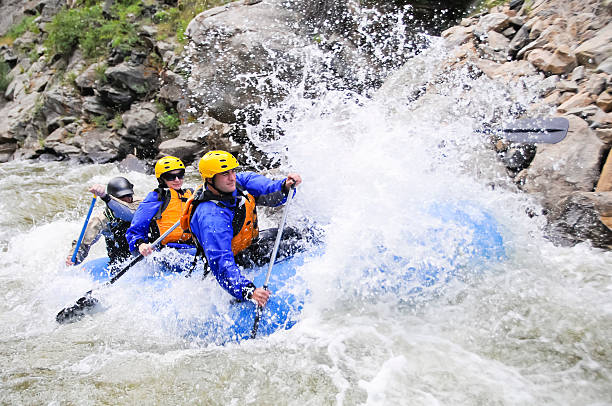
White-water rafting in Bali is a fun activity for adults and older kids in family groups. It’s active but not extreme, and most of the rivers are suitable for beginners with a guide.
Your day usually starts with pickup from your hotel, followed by gear fitting and a safety briefing at the river. You’ll then spend a few hours rafting downstream, with the guides steering the raft and telling you what to expect. After that, there are showers and a simple lunch, then back to the hotel.
River conditions vary depending on the weather. After heavy rain, the water can be faster and more exciting, and on dry days, it’s more suitable for first-timers.
Is it beginner-friendly?
Yes. Most white-water rafting trips in Bali are designed for beginners and don’t require prior experience. Guides give clear instructions and handle navigation, so you can focus on enjoying the ride.
Calmer sections of the river are suitable for first-timers and families with older kids, while faster sections offer added excitement while still staying safe. Conditions can change after heavy rain, so if you’re unsure, ask the operator about the current water level before booking.
Prices
Typical rafting tour costs in Bali:
- Group rafting tour: IDR 500,000–900,000 per person
- Private rafting tour: IDR 1,200,000–2,000,000 per group
Most tours include: hotel pickup and drop-off, rafting equipment, helmets and life jackets, guides, and lunch after the activity.
Best time to visit
Rafting runs year-round, but the experience varies by season. During the dry season (April–October), rivers are usually calmer and better for beginners.
After heavy rain or during the wet season (November–March), the current can become stronger and more exciting.
What to book
Most white-water rafting tours take place on rivers near Ubud, such as the Ayung and Telaga Waja Rivers.
Many travelers choose to book an Ayung River rafting tour near Ubud, which is one of the most popular beginner-friendly rafting experiences in Bali. Operators typically include hotel pickup, equipment, guides, and lunch.
For a slightly more adventurous route, you can also book rafting on the Telaga Waja River, which offers longer runs and stronger rapids while still being accessible to beginners with a guide.
Tips for rafting
- 1. Wear quick-drying clothes and secure water shoes or sandals.
- 2. Apply water-resistant sunscreen before starting the tour.
- 3. Leave valuables at home or store them in a waterproof case or dry bag.
- 4. Most operators provide helmets, life jackets, and dry storage for small belongings.
- 5. River conditions change after rain, so check the current water level if you are unsure about the difficulty.
7. Book a Balinese cooking class with a market visit
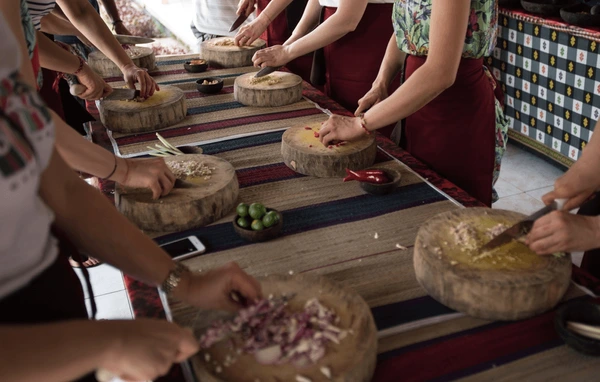
A Balinese cooking class is a fun, social activity and a great option when the weather isn’t perfect. It’s relaxed and interactive, and it works well for couples, families, and solo travelers who want to do something different from sightseeing.
Most classes start with a guided walk through a local market. You’ll see everyday ingredients, learn about spices and herbs, and understand how Balinese flavors come together. From there, you head to the kitchen for hands-on cooking, preparing several traditional dishes step by step.
The class usually ends with everyone sitting down to share the meal you’ve made together. Many places provide printed or digital recipes so you can recreate the dishes at home.
Vegetarian, halal, kosher, and vegan options are common, and most cooking schools can accommodate allergies if you let them know in advance.
How to choose the right class
When choosing a cooking class, look for a few key things that show the experience is well-organized and beginner-friendly:
- Small group sizes, so everyone gets hands-on cooking time and clear instructions.
- Clean preparation areas and organized workstations, with fresh ingredients kept properly covered.
- Clear food safety practices, including handwashing stations and proper ingredient handling.
- Flexible dietary options, with instructors willing to adjust recipes for allergies or vegetarian, vegan, halal, or kosher diets.
- A real market visit, not just a quick photo stop. Walking through an active local market adds context and helps you understand Balinese ingredients and flavors.
A well-run class should feel organized, hygienic, and easy to follow, even for complete beginners.
Prices
Typical Balinese cooking class costs:
- Group cooking class with market visit: IDR 400,000–700,000 per person
- Private cooking class: IDR 900,000–1,500,000 per person
What to book
Most Balinese cooking classes take place around Ubud, where many schools combine market visits with traditional home-style kitchens.
Travelers often book a Balinese cooking class in Ubud that includes a local market tour, where instructors guide you through ingredient selection before the cooking session begins.
Some cooking schools also offer hotel pickup and drop-off, which makes the experience easier to organize if you are staying outside central Ubud.
Tips for visiting a cooking class
- 1. Choose classes with small group sizes so everyone gets hands-on cooking time.
- 2. Inform the school in advance about allergies or dietary restrictions.
- 3. Bring a camera or phone if you want to photograph the cooking process and dishes.
- 4. Morning classes often feel more authentic, especially when the market visit is included.
8. Watch traditional Balinese dance at sunset
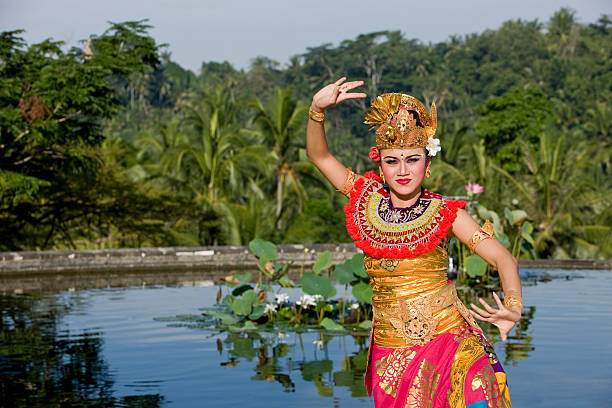
Balinese dance is a traditional performance that tells stories through movement, music, and expressive gestures. Watching it at sunset, especially at a temple or cultural venue, can be one of the most memorable cultural experiences in Bali.
Arriving early helps you get a good seat with a clear view of the stage and the surrounding scenery. Most performances last about one hour and combine live music with detailed costumes and choreography.
Prices
Typical prices for traditional dance performances:
- Temple dance performance ticket: IDR 100,000–150,000
- Cultural stage performance: IDR 100,000–200,000
Some venues include basic seating and a short program explaining the story of the dance.
Where to see Balinese dance
Traditional Balinese dance performances can be seen across the island, but some of the most popular venues are in Ubud and Uluwatu.
In Ubud, cultural performances take place regularly in temple courtyards and dedicated performance stages. These shows often feature traditional dances such as Legong, Barong, and Kecak.
Another famous option is the Uluwatu Kecak Fire Dance, which takes place at sunset in an open-air amphitheater overlooking the ocean near Uluwatu Temple. The Kecak dance is unique because it uses a large circle of male performers who create rhythmic chanting instead of traditional musical instruments.
It’s a good idea to book a Kecak dance performance ticket in advance, especially during peak travel seasons, as sunset shows can sell out quickly.
Tips for visiting
- 1. Arrive early to get a good seat, especially for sunset performances.
- 2. Choose comfortable, breathable clothing suitable for warm evenings.
- 3. Bring a light scarf or layer to cover your shoulders, particularly for temple venues.
- 4. Wear easy-to-remove shoes or sandals, as some temples may require them to be taken off.
- 5. Keep your phone on silent and avoid blocking the view while taking photos.
- 6. Be respectful if religious ceremonies are taking place nearby.
9. Book a beach club day that turns into sunset
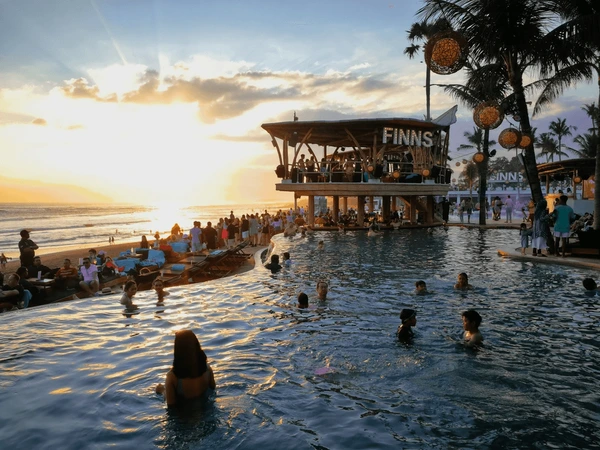
Beach clubs in Bali are an easy way to spend the day by the ocean and stay through sunset. Most operate on a minimum spend, which simply means you commit to spending a set amount on food and drinks instead of paying an entry fee.
Arrive earlier in the day if you want shade, a good seat, and a quieter atmosphere. Loungers and daybeds fill up quickly, especially at popular clubs, so coming before midday makes a big difference.
The vibe changes as the day goes on. Mornings and early afternoons are calm and relaxed, while late afternoons and sunset become livelier with music and crowds.
Prices
Typical beach club spending in Bali:
- Minimum spend for a lounger: IDR 300,000–700,000 per person
- Minimum spend for a daybed: IDR 1,000,000–3,000,000 per group
- Locker rental or towel fee (varies by club): IDR 100,000–150,000
The minimum spend usually goes toward food and drinks rather than a separate entry ticket.
Where to go for a beach club day
Some of Bali’s most popular beach clubs are located in:
- Canggu – home to large-scale venues like Atlas Canggu.
- Uluwatu – featuring cliffside venues such as Tropical Temptation Uluwatu with dramatic ocean views.
- Ubud – offering a different setting with jungle-style day clubs like Jungle Day Ubud.
Each area has a slightly different vibe, from relaxed daytime lounging to lively sunset parties.
If you want the best spot for sunset, it’s a good idea to reserve a beach club daybed in advance. Many beach clubs allow online reservations, which guarantee your seat and sometimes include discounted minimum spend packages for loungers or daybeds.
Tips for visiting
- 1. Reserve your seat early, especially at popular beach clubs.
- 2. Arrive before midday for shade and better seating options.
- 3. Check the minimum spend policy, as it varies by seating type.
- 4. Some clubs provide free towels, while others charge a small fee or require locker rental..
- 5. Be aware of higher minimum spends on weekends or special event days.
- 6. Plan your transport home in advance, especially if you stay after sunset.
10. Try a “unique Bali” photo experience

If you’re looking for something that truly captures the feeling of Bali, these experiences are a great option. Many of them are known for beautiful photos, but they are also enjoyable activities on their own.
Some are relaxing and spa-like, while others focus on nature and scenic views. Choose what fits your travel style — whether you want a quiet moment or something more memorable and playful.
Popular photo locations in Bali
Bali offers many scenic locations that have become famous for photography and travel experiences. Some of the most popular spots include rice terraces, jungle viewpoints, waterfalls, and dramatic coastal cliffs.
Tegalalang Rice Terraces (Ubud)
One of the most iconic landscapes in Bali, known for its layered rice fields and jungle swings. Walking paths allow visitors to explore different viewpoints through the terraces.
Typical entrance fee: IDR 50,000–75,000
Jatiluwih Rice Terraces
A UNESCO-listed area with wider valley views and fewer crowds than Tegalalang. It’s ideal if you want a quieter setting for landscape photos.
Entrance fee: IDR 75,000–100,000
Cretya Ubud
A modern jungle venue with tiered infinity pools overlooking the forest. Floating breakfasts and poolside photos are popular here.
Minimum spend or entry: IDR 200,000–500,000
Wanagiri Hidden Hills
A scenic viewpoint above Lake Buyan and Lake Tamblingan, known for photo platforms and swings overlooking the lakes.
Entrance fee: IDR 100,000–150,000
Tukad Cepung Waterfall
A dramatic waterfall is located inside a canyon-like cave, where sunlight often creates beams of light through the opening above.
Entrance fee: IDR 30,000–50,000
Rumah Pohon Treehouse (Nusa Penida)
One of Bali’s most recognizable viewpoints is located on a cliff overlooking Diamond Beach. Many visitors come early for sunrise photos.
Entry fee: IDR 75,000–100,000
Melasti Beach (Uluwatu)
A scenic coastal road leads down through limestone cliffs to a wide beach with turquoise water, making it a popular sunset photography location.
Entrance fee: IDR 10,000–20,000
Best time for taking a photo
Most photo-friendly experiences in Bali are best during the morning or late afternoon, when the light is softer, and the temperature is more comfortable.
Sunset can also be a great time for photos, particularly at beaches and cliff viewpoints.
Instagram vs reality
Many of Bali’s most famous photo spots look effortless online, but in reality, some locations can be quite busy, especially during peak travel seasons.
Places like Tegalalang Rice Terraces, Wanagiri viewpoints, and popular waterfalls often attract large numbers of visitors during the middle of the day. Some photo platforms and swings may also have short queues while people take turns for pictures.
The best way to enjoy these locations is to arrive early in the morning or later in the afternoon, when the light is softer and the crowds are smaller. Visiting outside peak hours often makes the experience more relaxed and allows you to explore the scenery rather than rushing through it.
Tips for making a photo
- 1. Bring a waterproof pouch or dry bag to protect your phone and camera near pools, waterfalls, or beaches.
- 2. Wear comfortable shoes with good grip, especially when visiting rice terraces, waterfalls, or cliff viewpoints.
- 3. Be careful on wet paths, steep stairs, and narrow walkways, particularly at waterfalls and jungle viewpoints.
- 4. Respect local rules and stay on marked paths, especially in rice terraces and protected natural areas.
- 5. If you plan to take photos, capture a few shots first, then take time to enjoy the experience without rushing.
What to do in Bali with kids?

If you are traveling with children, the most comfortable time to visit is during Bali’s dry season (April to October), especially from June to September. During these months, batch humidity, less rain, and more consistent beach and outdoor conditions with less permeable heat and intense hydration result in easier planning with kids. Bali’s wet season typically starts in November and goes through April, has elevated humidity levels, and beach conditions can be a bit rougher.
For family travelers, May, June, and September feel like sweet spots for both weather and crowds (lighter than in July and August). July and August are very dry and plague-free, but tend to get busier with visitors as it’s the summer holidays in most European countries. November to April will still work, but plan on having more flexible mornings and backup indoor options.
For further reference, according to Indonesia’s Meteorology Agency (BMKG), Bali's rainy season typically spans from November to April, with peak rainfall usually occurring between December and February.
Easy family half-day plans
Plan A: Water play morning
Start the day with a visit to a waterpark or the hotel pool while the kids are fresh and the temperatures are cooler. Spend 2 to 3 hours playing, then head out for an early lunch nearby. After lunch, return to the hotel for a nap or quiet pool time.
Plan B: Beach then indoors
Arrive at an easy-access beach early for swimming and sand play. Leave before the midday heat and switch to an indoor activity, like a kids’ club, an art workshop, or a casual café lunch. Wrap up with an early dinner so the evening stays calm.
Both plans keep travel short, avoid peak heat, and leave room for rest.
Fun things to do in Bali for adults

Bali is a destination that's primarily focused on keeping adults happy and entertained. Bali is also most enjoyable when you balance active mornings with relaxed afternoons and lively evenings. A sunrise hike on Mount Batur offers great views and a sense of achievement before the heat arrives, but a beach club day lets you relax by the ocean and ease into sunset. Bali is also excellent for surf lessons, even if you’re a beginner or looking to improve, and evening food tours are a fun way to explore local dishes without guesswork.
Massages and spa treatments are also typically cheaper here than in the West. So feel free to add in an affordable spa or massage to slow things down, and if you go out at night, stick to one nightlife area per evening, like Canggu, Seminyak, or Kuta, to avoid long, late drives.
Nightlife without stress
Bali is one of the world's top destinations for nightlife, particularly beach clubs, and if you plan to enjoy them, you’ll need to do a bit of strategic planning first. Pre-book your ride or use a trusted ride-hailing app so you’re not scrambling for transport late at night amid the crowds. If you’re inexperienced or have been drinking, skip riding a scooter; traffic and road conditions are harder to manage after dark.
Keep valuables to a minimum by bringing only what you need and leaving passports and extra cash at your accommodation. When heading back to your accommodations, choose a clear, well-lit pickup point so your driver can find you easily, and you’re not left waiting on the street.
Fun things to do in Bali with family

The key to a good family trip in Bali is balancing energy and travel time. A simple rule that works well is one big activity, one easy activity, and one flexible meal plan each day. This keeps everyone engaged without pushing too hard.
Choose one main activity in the morning, such as a beach visit, a water park visit, or a short tour. Pair it with something easy in the afternoon, such as pool time, a walk, or a short cultural show. Leave meals flexible so you can eat when everyone is actually hungry.
Travel time is the biggest mood killer for families. Traffic can be slow, especially in busy areas, so plan each day within one area rather than crossing the island. Staying zoned keeps days smoother and kids happier.
How to reduce travel time
The easiest way to cut down on travel time in Bali is to treat each day as its own zone. Pick one main area and plan everything there, instead of trying to cross the island for multiple stops. This keeps the day calm and predictable.
Be selective with long day trips. Choose one or two experiences that are worth the extra driving, and keep the rest of your days local. Mixing long and short days helps avoid burnout.
Starting early makes a real difference. Traffic is lighter in the morning, and you’ll often arrive before crowds build up.
Another thing to remember is that Bali is a small island with heavy traffic. So there's a big chance that you’ll be in traffic a lot. Always allow extra time for traffic. Build in a buffer so delays don’t throw off meals, rest time, or evening plans. Where should you stay in Bali?
Choosing where to stay in Bali is easiest when you start with what kind of trip you want. Each area has a clear personality, along with a few trade-offs, and the island offers everything from private villas to modern apartments.
Canggu is good for cafés, casual nightlife, and a laid-back surf vibe. The downside is traffic and fewer traditional sights nearby. Many travelers choose villas in Canggu for privacy and poolside living, while others prefer apartments in Canggu close to cafés, coworking spaces, and surf beaches.
Seminyak works well for dining, shopping, and beach clubs in a central area. It’s convenient but busier and more built-up. Staying in villas in Seminyak gives easy access to beach clubs and restaurants, while apartments in Seminyak are a good option if you want to stay near the main shopping streets and sunset beaches.
Ubud is best for culture, rice fields, and nature-focused stays. You’ll trade beach access for cooler air and scenic surroundings. Many visitors book villas in Ubud surrounded by jungle or rice terraces, while apartments in Ubud offer comfortable stays closer to the town center.
Uluwatu offers dramatic cliffs and some of Bali’s best beaches. Getting around takes longer, and you’ll rely more on transport. Ocean-view villas in Uluwatu are especially popular for their sunset views, while apartments in Uluwatu are often located near surf beaches and cliffside cafés.
Nusa Dua suits travelers looking for calm resorts and easy beaches. It’s quiet and comfortable, but less connected to local life. Relaxed villas in Nusa Dua are popular with families and groups, while apartments in Nusa Dua offer convenient access to the beach and resort areas.
Betterplace Bali for villas, apartments, and experiences
With Betterplace Bali, you can book stays and experiences in one place, making trip planning across the island much easier. Whether you’re planning a short getaway or a longer Bali itinerary, the platform helps you find accommodation that matches your travel style, location preferences, and budget.
Travelers can browse a wide selection of private pool villas in Bali, modern apartments for rent in Bali, and stylish holiday homes across the island’s most popular destinations, including Canggu, Seminyak, Ubud, Uluwatu, and Nusa Dua.
If you’re dreaming of waking up near the ocean, you can filter for beachfront villas and apartments in Bali or properties located just a short walk from the beach. Many listings also include outdoor terraces, garden areas, and private pools, making them ideal for couples, families, or groups.
For those traveling together, it’s easy to search by number of bedrooms, whether you need a 1-bedroom apartment for a couple, a 2–3 bedroom villa for friends, or a larger family villa with multiple bedrooms and living spaces.
By booking through Betterplace, you can combine comfortable accommodation, great locations, and curated experiences in one platform — making it easier to enjoy Bali without spending hours planning every detail.
How to get around Bali
Getting around Bali well means choosing the right way to get around based on your plan, comfort level, and distance. Here’s how the main options compare and when each makes sense:
Scooter
This is the most flexible and usually the cheapest way to explore locally. Scooters are great for short trips around town, beach access, and hopping between cafés or shops. Safety note: Make sure to wear a helmet, avoid riding at night on unfamiliar roads, and be cautious in heavy traffic. Roads in Bali can be unpredictable.
Ride-hailing
Services like Gojek and Grab are convenient for short- to medium-distance trips and help avoid the stress of parking or navigating. You can request cars or scooters, and prices are usually clear upfront. Good for quick errands or nights out when you don’t want to ride yourself.
Private driver
Hiring a driver for a half or full day works well for longer outings or for multiple planned stops (e.g., waterfalls, temples, viewpoints). A driver lets you relax and enjoy the scenery without worrying about navigation, traffic, or parking.
Tours
Organized tours are best for specific experiences like rafting, cooking classes, or wildlife trips. They usually include transport, guides, and equipment, taking care of logistics so you can focus on the activity itself.
In all cases, helmets and proper safety gear matter. If you’re renting a scooter, make sure it’s in good condition, and you’re comfortable with local traffic. Avoid riding after dark on roads you don’t know well, especially if you’re tired or conditions are wet.
Choosing the right transport for each day, short trips with ride-hailing or scooters, and longer outings with a driver or tour, keeps travel smooth and stress low.
Simple transport rules
It’s important to confirm your pickup point in advance. Make sure both you and the driver agree on the exact location, especially in busy areas where streets and entrances can be confusing.
Avoid rushing transfers. Leave extra time between activities so traffic delays don’t turn into stress or missed plans.
Do not plan two far zones in one day. Crossing the island takes longer than it looks on a map, and sticking to one area keeps the day smooth.
When is the best time to visit Bali?

Bali works year-round, but the experience changes with the seasons. Knowing what to expect makes planning much easier.
Dry months are best for beaches, hiking, waterfalls, and outdoor sightseeing. Days are sunnier, and humidity is lower, making long days outside more comfortable. This is also the busiest time, so popular areas feel livelier and prices can be higher.
Wet months can still be a great time to visit. Rain usually comes in short bursts rather than all-day storms, and the island is greener and less crowded. You just need a flexible plan.
To plan around rain, schedule outdoor activities early in the day, when the weather is often clearer. Keep indoor options like cooking classes, spas, cafés, and shopping for afternoons. Having a few backup activities means rain rarely ruins the day.
If you’re comfortable adjusting plans as you go, Bali is enjoyable in any season.
Safety and etiquette
Sun, heat, and hydration
Bali is generally safe, but the heat can catch people out. Stay hydrated, use sun protection, and take breaks during the hottest part of the day to avoid exhaustion.
Temple etiquette
When visiting temples, dress modestly by covering your shoulders and knees, and wear a sarong if required. Be careful not to step on or disturb small offerings placed on the ground, especially near entrances and sidewalks.
Ocean safety
In the ocean, swim only where conditions are calm, and flags allow it. Watch for rip currents and always follow local advice, particularly at surf beaches.
Valuables and crowds
Keep valuables secure in busy areas and on the beach. Bring only what you need, and use hotel safes for passports and extra cash.
Slippery surfaces
Take extra care on wet steps and rocks. After rain or near waterfalls, surfaces can be slippery, and many injuries happen from simple slips rather than big accidents.
Conclusion: How do you pick the most fun things to do in Bali?
The fastest way to plan a great Bali trip is to keep decisions simple and intentional.
Start by picking your vibe. Ask yourself what you’re really in the mood for on this trip: lazy ocean days, green jungle scenery, cultural experiences, or a lively food and party scene. Once you know that, the rest of your planning gets much easier.
Next, choose one “big day” from the Top 10. This could be something memorable like a Nusa Penida day trip, a Mount Batur sunrise hike, white-water rafting, or snorkeling with manta rays. Give it a full day so it doesn’t feel rushed.
Then balance it out with an easy win. A beach club afternoon, a massage, a cooking class, or a sunset dance show adds something special without draining your energy.
Try to keep travel time low by sticking to one area per day. Bali looks small on a map, but traffic can eat into your time fast, and fewer car hours usually mean better moods.
The best Bali days often start early and are built around shade, water, and sun breaks. Planning for the heat and distances matters far more than cramming everything in.
When booking, Betterplace Bali is a handy way to find villas, apartments, and experiences in one place. Popular activities do sell out in peak months, so booking early helps you lock in the things you’re most excited about.
Next step: save the Top 10 list, pick your base, and book your first two activities for your dates. Once those anchors are set, the rest of Bali tends to fall into place naturally.
FAQs
What are the most fun things to do in Bali?
Pick 4–6 items from the Top 10 that match your traveler type:
- First-timer: Nusa Penida, Mount Batur, surf lesson, beach club, Balinese dance
- Family: Waterfall swim, rafting, cooking class, easy beach, and a short cultural show
- Adults-only: Mount Batur, manta snorkeling, beach club, food tour, spa
- Couples: Nusa Penida or waterfall, cooking class, sunset dance, floating breakfast
2-Day Mini Plan:
Day 1: Big activity in the morning, rest/pool/massage in the afternoon, easy dinner or sunset walk.
Day 2: Easy morning activity, café or spa, sunset show or beach club.
What are fun things to do in Bali with kids?
Pick 3–5 kid-safe options, such as a waterpark, an easy beach, an animal park, a short cultural show, or a gentle jungle walk. Include one rainy-day option, such as a cooking class, an art workshop, or a hotel kids’ club.
Keep the pacing relaxed, plan for shade breaks, and bring snacks and spare clothes to handle spills, heat, or unexpected rain. This way, kids stay happy, and parents enjoy the day too.
What should I do in Bali for the first time?
A simple starter trio works well: pick one cultural activity (like a short temple visit or Balinese dance), one nature activity (such as a waterfall or rice terrace walk), and one beach activity (swimming, relaxing, or a beginner surf lesson).
Choose a base that matches your vibe, Canggu or Seminyak for beaches and cafés, Ubud for culture and nature, so you minimize travel time and get the most out of each day.
How many days should I spend in Bali?
A good rule of thumb is 3–7 days, depending on how much you want to see and do.
- 3 days: Highlights only, beach, one big activity, and a short cultural stop.
- 5 days: Adds a second area or adventure, such as a sunrise hike or a waterfall day.
- 7 days: Allows for a relaxed pace, multiple zones, and extra experiences such as cooking classes or day trips to Nusa Penida.
Are Bali activities safe?
Most activities in Bali are safe if you take basic precautions. Cover common safety issues by category:
- Ocean: Watch for rip currents, swim in designated areas, and follow surf instructors.
- Hikes: Use proper shoes, stay on marked paths, and carry water.
- Waterfalls: Be careful on slippery rocks and stairs, and skip swimming when the current is strong.
- Nightlife: Pre-book transport, avoid late-night scooter rides, and keep valuables to a minimum.
- Scooters: Always wear a helmet, ride cautiously, and avoid unfamiliar roads at night.
Simple checklist: wear sunscreen, stay hydrated, watch your step, follow guides, and carry a small first-aid kit. Travel insurance is recommended to cover any unexpected incidents.


