

Ubud is considered to be a hub of culture, nature, and adventure, surrounded by rice terraces, rivers, and temples. Visitors can explore historic temples, scenic trails, meet monkeys, and even watch traditional dance performances, all of which make the town very appealing to tourists. According to the Bali Tourism Board (2024), Ubud’s popularity is growing due to its wellness retreats, outdoor activities, and its reputation as a top destination for expats who are looking for long-term residence. In fact, in 2024, Bali welcomed 6.3 million international visitors, surpassing pre-pandemic levels.
Are you planning to visit Ubud in 2025? Well, here’s a look at 10 of the best things to do in the town, so you can plan accordingly and truly enjoy your time.
1. Tegalalang Rice Terrace
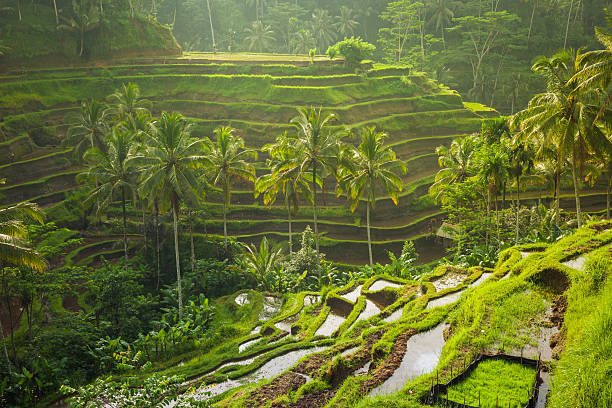
About 20 minutes north of Ubud is the Tegalalang Rice Terrace, which is one of Bali’s most iconic views. The layered rice terraces form a beautiful green landscape, a postcard view that’s stunning at any time of day. It’s easy to get there by scooter, taxi, or tour, and most visitors spend about 2 - 3 hours walking the trails and taking photos of the scenery.
It’s best to explore on foot so you can enjoy a closer look at the traditional subak irrigation system that’s been used for centuries. Small paths and bamboo bridges wind through the fields, and farmers often ask for small donations to help maintain the terraces, so it’s good to carry cash.
Best Time to Visit
- Early morning (7–9 a.m.): cooler, fewer crowds
- Late afternoon (after 5 p.m.): soft light, fewer people, perfect for photos across the terraces
- Dry season (April–October) is ideal
Respectful Visiting
- Stick to paths and avoid stepping on rice
- Keep noise low
- Dress modestly
- Smile when offering donations
- Wear grip shoes; mud can be slippery after rain
Following these basics helps protect the terraces and keeps the visit respectful for local farmers and worshippers.
Getting There
Scooter
-
Duration: 30-60 min
- Cost: Rental fee applies (cost depends on provider)
Taxi / Driver
-
Duration: 30–60 min
- Cost: IDR 100,000–150,000
Guided Tour
-
Cost: Usually requires a fee (depends on tour provider)
Parking
You can park in the designated lot just across from the main entrance of the Tegalalang Rice Terrace, where attendants will guide you to a spot and collect the parking fee.
- 5,000 IDR (cars)
- 2,000 IDR (bikes)
Bonus Tip: We recommend that you go to Cretya, a top-rated restaurant and entertainment complex located near the terraces. It’s a great place to eat, and they have their own terrace area as well as a zip line for some extra fun!
2. Sacred Monkey Forest
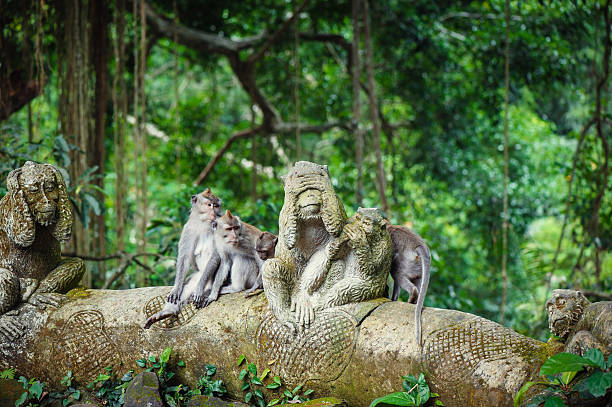
Are you in Ubud’s center? If you are, you’re only a short walk from Ubud’s most famous tourist attractions, the Sacred Monkey Forest Sanctuary. Each day, thousands of visitors walk the trails with monkey-filled paths, where ancient temples and over 1,200 playful long-tailed macaques coexist. It spans 12.5 hectares and is unique in that it’s both an active spiritual site and an important conservation area.
Best Time to Visit
Arrive at 9 a.m. for cooler air, calmer monkeys, and fewer crowds. The dry season is best for safety. There’s an entrance fee to the Sacred Monkey Forest Sanctuary: IDR 100,000 (weekdays) / IDR 120,000 (weekends) for adults and IDR 80,000 (weekdays) / IDR 100,000 (weekends) for children (3–12).
Parking
Parking is available near the entrance for both scooters and cars, with a small parking fee charged on-site.
Parking Fees
Motorbike
Parking: IDR 2,000
Car (over 6 seats)
Parking: IDR 5,000
Minibus (under 20 seats)
Parking: IDR 5,000
Large Bus
Parking: IDR 15,000
Monkey Safe Visiting
To enjoy a safe visit, keep distance, avoid eye contact, feed only in designated areas, and follow staff instructions. We recommend staying at least 5ft from the monkeys or only getting close with staff instruction. They are wild animals and can get aggressive, especially in the presence of food. Please note that due to the influx of tourists, you are only allowed to stay between 60 - 90 minutes. Other safety tips include:
- Use a zippered bag or keep belongings secure; monkeys are quick to grab loose items.
- Wear a cross-body strap so you can keep your bag close and your hands free.
- Watch from a few meters away rather than trying to touch or feed the monkeys.
- Avoid direct eye contact and don’t flash food or water bottles.
- Keep phones and sunglasses tucked away when not in use.
- The root-bridge area inside the forest makes for one of the best photo spots. Arrive early to avoid crowds.
Keep all belongings zipped and secured before entering the trails, since monkeys often target loose items within seconds.
3. Campuhan Ridge Walk
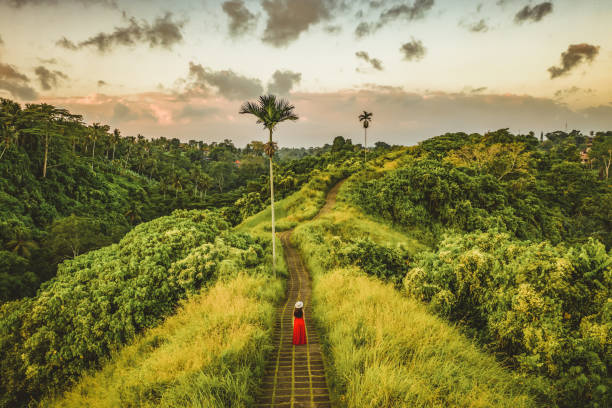
The Campuhan Ridge Walk is a scenic trail just minutes from central Ubud, with beautiful views of the green valley, rice fields, and hills in the distance. The path is mostly paved and easy to follow, so it’s an excellent option for walkers of all levels. Along the way, you’ll find peaceful spots to pause, take photos, or simply enjoy the fresh air and quiet, which can be a much-needed break from Ubud’s busy streets.
Best Time to Visit
Sunrise is usually the best time to visit, since the air is cooler and there are fewer people. For those who aren’t necessarily keen on waking up early, late afternoon is pleasant, but it may be busier.
Start & Route
Begin near the Campuhan Ridge Walk entrance, follow the signs along the ridge for about 2 km toward Kedewatan, then return. The full loop takes around 30–60 minutes.
Tip: Save the starting point pin offline beforehand or screenshot it, as reception can be spotty along parts of the trail.
4. Ubud Palace & Saraswati Water Temple
Ubud Palace (Puri Saren Agung) is quite close to the town's night market, and it’s one of Bali’s most important historical landmarks. It was built in the 1800s, and the palace is the residence of Ubud’s royal family, even to this day. It’s mostly used for ceremonial and cultural practices rather than political ones.
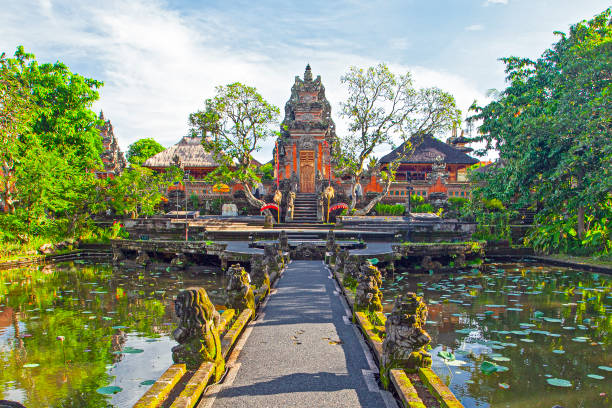
Nearby Ubud Palace is the Saraswati Water Temple. Walk through the gate, and you’ll find a simple stone path running between two lotus ponds, leading up to a beautifully carved temple entrance. It’s a quiet spot where people often stop to take photos, sit for a moment, or just get a break from the busy road outside. There’s no entry fee, but a small donation is appreciated.
We recommend arriving 10–15 minutes early to get a good spot for evening dance performances, as seating fills up quickly. You will also need to buy tickets at the palace entrance on the day, since online options are limited.
Best Time to Visit
Visit early morning or late afternoon for good light and fewer crowds. Arrive by 6:30 p.m. for evening dances.
Photo & Timing
Arrive before sunset to capture the temple and lotus ponds with good lighting, which gives the carvings more depth. For the best shot, frame the temple through the lotus-lined pathway, which centers the gate for a balanced composition. If a sudden shower rolls in, there’s covered seating near the entrance, so you can wait it out comfortably.
Respectful Visiting
To visit respectfully, you should cover your shoulders and knees, stay quiet, avoid prayer areas unless invited, and take photos discreetly. Do not take photos of those who are praying.
5. Tirta Empul Water Temple (Near Ubud, Day Trip)
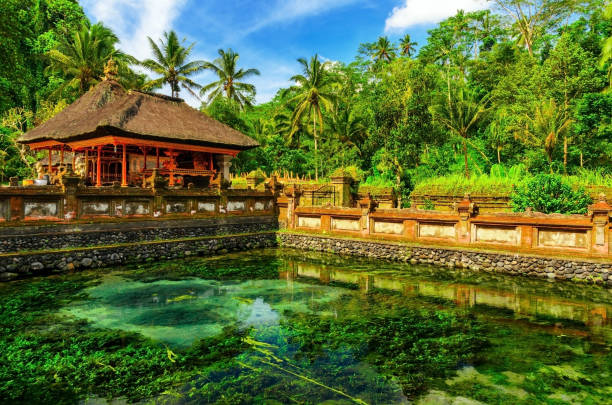
Tirta Empul is located in Tampaksiring, Gianyar, not necessarily in Ubud, but it’s an option for a day trip! The water temple is famous for its melukat purification ritual, where visitors wash under sacred water spouts in a specific order. You can rent a sarong and sash at the entrance, store your bags in the lockers, and start at the first spout. Move left to right, and pause under each spout to let the water flow over you. Please note: some spouts are reserved for local worshippers, so skip those if marked.
After finishing, dry off and change in the designated area. Most visitors spend about an hour here, so it’s easy to combine with a trip to nearby Tegalalang or Gunung Kawi.
Best Time to Visit
Early morning is quiet and cool; late afternoon is also peaceful. Pair with Tegalalang or Gunung Kawi.
Respectful Visiting
Stay calm, dress modestly, follow the ritual flow, and avoid disturbing ceremonies. A visit usually takes an hour, but you may end up spending an hour and a half here, depending on how busy it is. Those with open wounds or illness should skip bathing to keep the water clean and respect local customs. In terms of cost, it’s about 75,000 IDR for adults, 50,000 IDR for children.
6. Ubud Waterfalls Loop (Near Ubud, Day Trip)
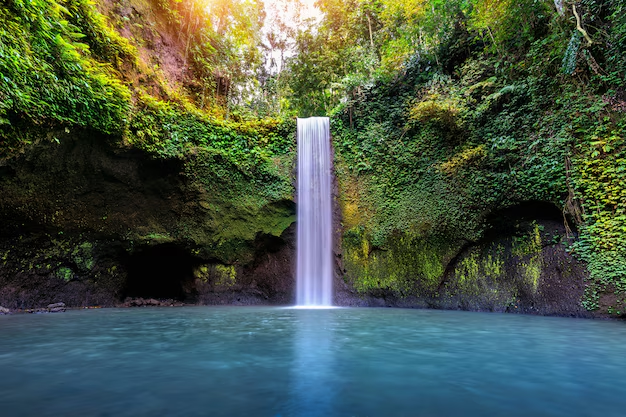
The Ubud Waterfalls Loop takes you to three of Bali’s most stunning waterfalls, which include Tegenungan, Tibumana, and Tukad Cepung, each with a unique experience. The falls are not located directly in Ubud, but they certainly make for the perfect day trip. Tegenungan is powerful and dramatic, Tibumana is calm with a gentle pool perfect for a swim, and Tukad Cepung is tucked inside a cave with limited sunlight. The route is best explored by scooter or private driver, so you can move comfortably between sites. Most travelers complete the loop in a half-day.
Best Time to Visit
Early morning for soft light, fewer crowds, and safe paths; April–October is ideal.
Half-Day Circuit
Start at Tegenungan, continue to Tibumana for swimming, and finish at Tukad Cepung to catch the cave sunlight. Wear sturdy shoes, bring swimwear and water, and allow 4–5 hours total. It’s important to note that there’s no dedicated lunch stop along the loop, so it’s best to eat beforehand or bring snacks, and once you start the route, there’s no easy turn-back option, so plan your timing carefully.
If you’re short on time, but still want to enjoy the loop, consider ending at Tibumana and skipping Tukad Cepung for a slower experience. This may be a better option if you have a physical limitation or if you want a day that isn’t rushed.
After heavy rain, Tukad Cepung may temporarily close for safety, so it’s a good idea to check conditions before you go. In terms of cost, for all 3 waterfalls, it will cost you around 50,000 IDR (without parking).
Where To Grab A Bite To Eat
A great option is Warung Tepi Tebing, just a few minutes from Tibumana. It’s a restaurant with a more relaxed vibe right on the river, and you taste some of Indonesia’s signature dishes, if you’ve yet to try the local food.
Price Breakdown
- Tegenungan Waterfall: IDR 20,000 entry + IDR 2,000–5,000 parking
- Tibumana Waterfall: IDR 15,000 entry + IDR 2,000 parking
- Tukad Cepung Waterfall: IDR 15,000 entry + IDR 2,000 parking
Budget extra cash and time for small local fees along the route, since prices and access rules can change seasonally.
7. Mount Batur Sunrise Trek & Hot Springs (Near Ubud, Day Trip)
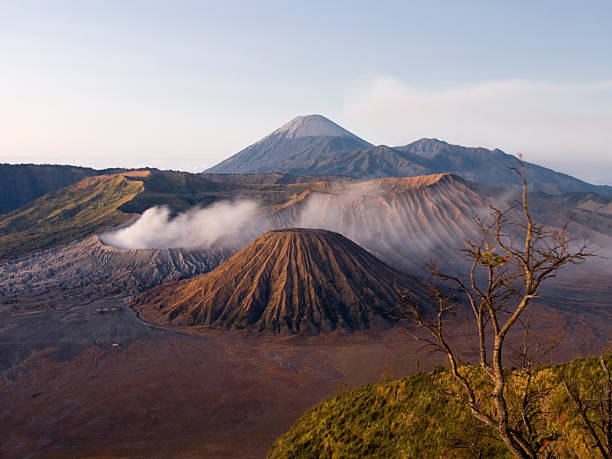
Climbing Mount Batur is one of the most popular experiences from Ubud and offers sunrise views over the island. Mount Batur is about an hour north of Ubud and stands 1,717 meters (5,633 ft) high. Most travelers join guided hikes that start in the early hours and reach the summit just in time to watch the sun rise above the clouds.
The hike is moderately challenging but manageable for most people with a basic level of fitness. It usually takes 1.5–2 hours to reach the top, if you take regular breaks and follow the path. Please note that if you’re prone to motion sickness, you will need to take precautions on the winding roads leading to the base. We recommend bringing motion sickness tablets or acupressure wrist bands to help you manage as you ascend to the summit.
Once you’ve made it to the summit, local guides will often boil eggs in the volcanic stream, which is a fun tradition to take part in after the climb.
Hot Springs: Descend to soak in Lake Batur’s natural springs.
Best Time to Visit
Dry season (April–October) is safest.
Respectful Visiting
Stay with guides, follow paths, keep noise low, avoid restricted areas, and pack out trash.
Simple Trek Plan
Depart 2–3 a.m., summit 5:30 a.m., descend 6:30–7:30 a.m., soak 8 a.m., return 10 a.m. It’s best to hire a local guide rather than go on your own, as the trail can be challenging in the dark and guides can often give you tidbits and facts about the summit. Guide fees typically range from IDR 300,000–600,000 per person, including breakfast, and the drive takes about 1.5–2 hours from Ubud. Depending on the option you choose, a group or private hike, guides typically include breakfast and recommend bringing 1–1.5 liters of water per person. More often than not, a private hike will include a “better” breakfast, so it’s recommended to read the description of the tour you book.
9. Balinese Cooking Class & Ubud Night Market
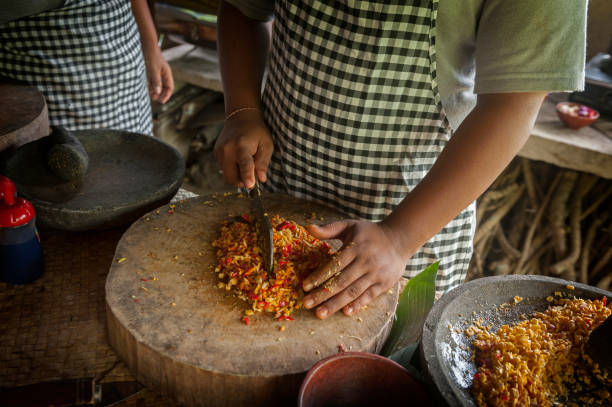
Joining a cooking class in Ubud is a fun way to expand your cooking skills and try new foods. Classes begin at traditional markets where you will select fresh herbs and vegetables before preparing satay, lawar, and curry, traditional Indonesian dishes. Night Market (Pasar Senggol) features street food, tropical fruits, and local crafts.
Pick the Right Class
Morning classes are best for fresh ingredients; sessions last 3–4 hours with pickup options. It’s imperative to choose a host who practices good hygiene, washes hands, cleans prep surfaces, and keeps ingredients fresh. “Bali belly” is no fun.
- No farm-to-table herb gardens: Not every class grows its own herbs on-site. Check if the instructor sources fresh ingredients locally or from the market, and also make sure the produce has not been washed with tap water, as it can make you sick.
- Allergies and spice level: Always inform the host ahead of time about dietary restrictions, allergies, and how much spice you are used to. This is especially important when trying new foods. Many Indonesian foods include common allergens like seafood or peanuts, and can be very spicy, especially when cooked with bird’s eye chili, so keep that in mind.
- Small-group benefit: Smaller classes provide more personal attention, hands-on instruction, and better interaction with the host. You’ll get guidance on cooking techniques and plating, which may be more immersive than, let’s say, with a larger group.
It also helps to check recent reviews for cleanliness and food handling, since standards can vary widely between hosts.
Best Time to Go
Morning for cooking, 6–8 p.m. for the night market when stalls are busy. Cooking classes cost around IDR 350,000–500,000 per person, depending on the host, and the night market is located in central Ubud (Gianyar Night Market), so it’s easy to reach by scooter, taxi, or on foot. If it’s your first time, it’s best to ask your cooking class host or a local driver for directions, or use Google Maps to find the main market entrance.
Banded Pricing
- Budget: IDR 350,000 per person, small group, simple ingredients
- Mid-range: IDR 400,000–450,000 per person, slightly longer class, more dishes
- Premium: IDR 500,000 per person, private class, full menu, extras included
Ask what’s included in the price, like market visits, transport, and drinks, so the final cost doesn’t surprise you.
9. Balinese Massage & Yoga

Balinese massages use firm pressure, gentle stretches, and warm, fragrant oils to relax muscles and relieve tension. Sessions will usually last an hour, and even small local spas can provide excellent treatments. At neighborhood salons, you can expect to pay around IDR 150,000–250,000 per session, while high-end hotel and resort spas may charge from about IDR 500,000 up to around IDR 2,000,000. Tipping culture is not as prominent in Asia as it is in North America, so tipping is optional but appreciated, and 5–10% is typical if you are happy with the service.
Yoga in Ubud is equally accessible, with access to open-air studios and retreat spaces providing classes for all levels. Sessions focus on flow, breathwork, and relaxation, often with views of rice fields or gardens, so it’s easy to combine a workout with a calming, scenic experience. Drop-in classes generally cost IDR 120,000–150,000, but of course, that depends on the studio. Together, massage and yoga are a therapeutic way to recharge after a full day of exploration.
Popular studios include The Yoga Barn, Radiantly Alive, Ubud Yoga House, and Alchemy Yoga Center, all known for their beautiful settings, skilled instructors, and special events such as sound healing or cacao ceremonies.
Best Time to Go
Our recommendation: Morning yoga sets a calm tone; late afternoon/evening massages unwind after exploration. Peak season (June–September) may require booking ahead.
Easy Wellness Plan
Morning yoga, explore Ubud, then end with a deeply relaxing massage.
Tips For A Better Experience:
- Stay hydrated throughout the day, especially when you’re actively moving your body.
- Choose spas with trained staff and clean, well-maintained rooms for the best experience.
Booking popular studios and spas a day ahead helps secure preferred class times and avoids peak-season walk-in waits.
10. Ubud Art Market, Craft Villages & Museums
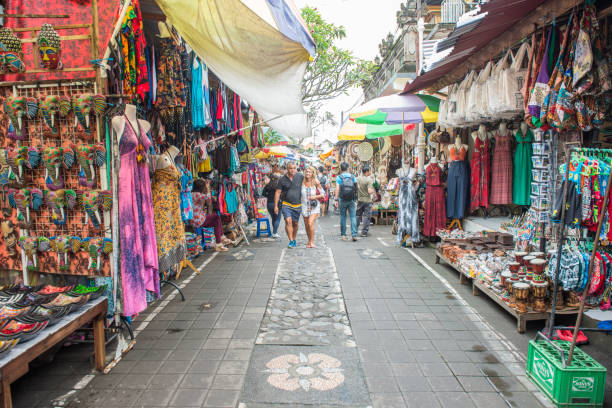
The Ubud Art Market is the perfect place to browse and buy handmade goods like woven bags, silk scarves, wood carvings, and colorful paintings. If you want to see how these items are made, nearby villages such as Celuk, Mas, and Batuan specialize in silverwork, woodcarving, and traditional painting, and many workshops welcome visitors to watch artisans at work. If you want to truly understand Balinese art, check out the Neka Art Museum or Agung Rai Museum of Art (ARMA), which showcase both historical and contemporary Balinese art. Visiting the market and villages together gives a hands-on sense of Bali’s creative traditions.
Want to find a unique souvenir to take home at a reasonable price? Look for these:
- Differentiate true craft vs. mass-made: Look for artisans working on-site, unique imperfections, and signed pieces, which make for a more unique souvenir.
- Bargaining etiquette: Negotiate with a smile, start around 50–60% of the asking price, and meet in the middle.
- Card, cash, and QRIS: Most vendors now accept QRIS (national QR code payment). Scan the QR with Indonesian banking or e-wallet apps. Cards are less common and may add a 3–5% surcharge. Carry small bills in case a stall doesn’t have QRIS or the network is down.
- Card, cash, Packing & shipping: Many shops provide wrapping or shipping options for larger artworks; ask in advance if you plan to send items home. The vendor may even take it to the post office for you and arrange your declaration card, so the only thing you need to do is purchase the craft.
It also helps to shop earlier in the day, since vendors are often more flexible on price and popular items sell out fast.
Best Time to Visit
Mornings are quieter and cooler; early arrival gives first pick of items.
Smart Shopping Loop
Start at the market, visit craft villages, then finish at a museum to learn more about the cultural pieces you picked up. Another note: when you’re purchasing silver or fine crafts, check for hallmarks or weight markings to confirm authenticity. Don’t be afraid to ask the vendor for proof, especially if it’s costly. We recommend bringing 1.6 million IDR with you, which is roughly $100 USD. That way, you have enough to spend freely if you see something you like.
Is Ubud Worth Visiting?
Yes, Ubud is well worth a visit, especially for culture, nature, and wellness. Temples, rice terraces, craft villages, yoga studios, and great food make it a great base for exploring central Bali. It suits travelers who want an escape from beach life and those who enjoy a slower pace with short day trips.
However, walkways can be uneven, and traffic gets busy in town, which may feel overwhelming to some, especially if you’re traveling with small children or pushing a stroller.
Stay in Ubud if you want cultural depth, scenic surroundings, and easy access to nearby highlights. Day-trip if you’re short on time.
Where to Stay in Ubud
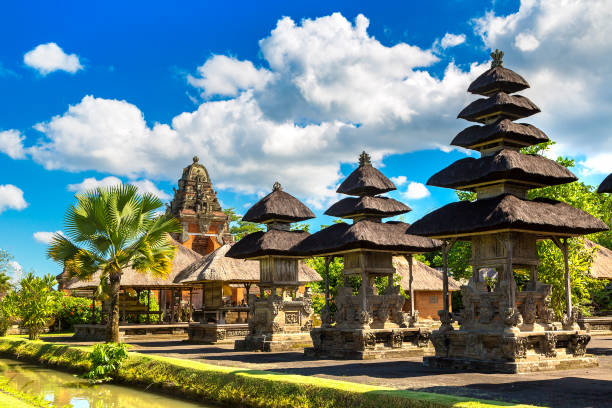
Central Ubud
Pros: Walking distance to the palace, market, and cafés. Easy access to taxis.
Cons: Busier streets and higher noise.
Price Bands: Budget guesthouses to boutique hotels (IDR 250k–900k/night ≈ $16–58).
Walking Time: 10–15 minutes to the palace from many stays.
Penestanan
Pros: Calm lanes, art studios, good cafés.
Cons: Fewer late-night options, longer walks to the main center.
Price Bands: Mid-range villas and homestays (IDR 350k–1,000k/night ≈ $23–64).
Walking/Ride Time: 10–20 minutes to central Ubud.
Nyuh Kuning
Pros: Village feel near Monkey Forest, green streets.
Cons: Fewer shops, more walking to central areas.
Price Bands: Family stays and villas (IDR 400k–950k/night ≈ $26–61).
Ride Time: About 10 minutes to central Ubud.
Sayan
Pros: Valley views, river settings, luxury, and wellness focus.
Cons: Farther from cafés, higher prices.
Price Bands: Upscale resorts and villas (IDR 1,000k–1,800k/night ≈ $64–115).
Ride Time: 15–20 minutes to central Ubud.
(Some luxury resorts go beyond this, but plenty of options are under $100.)
Tegallalang
Pros: Near the terraces and rural views, cooler evenings.
Cons: Fewer night options, longer rides to shows.
Price Bands: Homestays and villas (IDR 300k–900k/night ≈ $19–58).
Ride Time: 20–30 minutes to central Ubud.
Betterplace Bali for Villas and Apartments
Betterplace Bali is a vacation rental platform providing a wide selection of villas and apartments in Ubud and nearby villages. It’s worth checking for sharper prices and direct contact with owners. Check out our filters like rice view, walkable to cafés, private pool, workspace, or kid-friendly setup, while also comparing quickly by price per bedroom, distance to center, and recent Wi-Fi notes to get the Bali apartment of your dreams.
Booking tips: Book early for June–August and holiday periods, as places fill up fast. Hosts usually share the exact map pin after booking, but it’s still smart to double-check the location beforehand and read recent reviews from the last three months. Betterplace works well if you value flexibility and good rates.
How to Get Around Ubud?
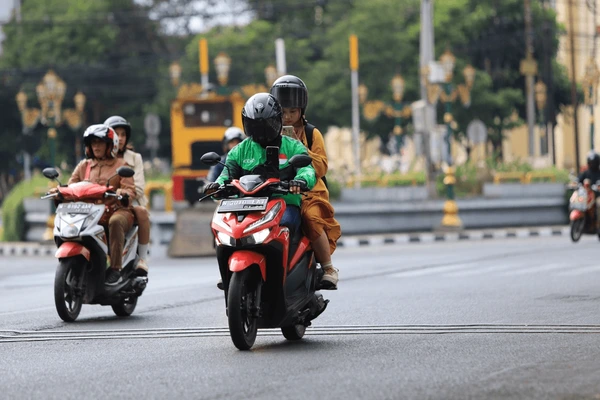
Ubud is compact but busy, so walking is perfect for exploring central spots like the palace, cafés, and markets. For short trips, scooters and bicycles are popular options, too. You can rent a bike from around IDR 50,000 per day for simple scooters up to about IDR 300,000 per day for newer or larger models, so you have more flexibility for longer distances or evening outings. Taller riders may prefer bigger bikes like an Nmax or Xmax, which usually cost around IDR 200,000-300,000 per day.
Downloading the Gojek and Grab apps when you arrive is highly recommended, as it’s the most popular local ride-hailing service in Indonesia. Rides typically cost between IDR 15,000 and 40,000 for short trips, and you can choose between a motorbike or a car depending on your comfort. Another thing to note is that taxis may overcharge you, but with Gojek, the price is fixed, so you don’t have to worry about being overcharged.
When Is the Best Time to Visit?
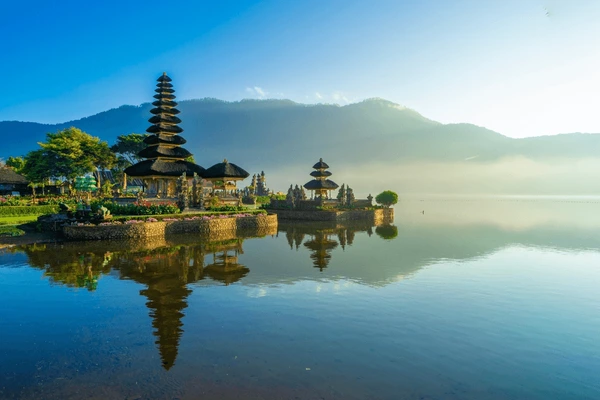
The best time to visit Bali largely depends on what kind of experience you’re after. May to October is the dry season, and is best for sunny skies, calm seas, and ideal weather conditions for exploring.
From November to March, the island enters the wet season. Showers are frequent but usually short, and the landscape turns vibrant green. It’s a quieter, more affordable time to visit, especially for wellness retreats or cultural travel, but you may not have as much freedom to plan or do whatever you want, as the weather won’t be the greatest. Don’t forget to check the Balinese festival calendar, as events like Galungan and Nyepi can be exciting.
What to Do at Night?

Bali comes alive after sunset, and there’s a ton to do even at night. You can always watch a traditional dance performance like Legong in Ubud, which will give you a glimpse into true Balinese storytelling under the stars. Ubud sometimes offers jazz evenings and live music, so check local bars and restaurants for current schedules. For a stylish night out in town, Kabana Ubud is a popular spot with a club vibe and views, while Goutama Street is the go-to for cozy restaurants and cafes packed with tourists and locals alike.
For a more local vibe, the night markets shine as a way to try new, local foods and perhaps by a craft or two.
It’s imperative to stay safe and watch your back at night. Bali is notoriously known to be safe, but you should keep these safety tips in mind: avoid walking alone on dark roads, especially in rural areas, and use Grab or a trusted driver when heading back late to your accommodation.
Where to Eat in Ubud

Ubud offers a wide range of dining options, such as local warungs or even upscale restaurants. For traditional Balinese dishes, try Bebek Bengil for crispy duck or Ibu Oka for famous Babi Guling (suckling pig).
Health-conscious travelers can enjoy smoothie bowls, vegan cafés, and organic cafés along Monkey Forest Road and Penestanan. Popular spots include Alchemy, Sayuri Healing Food, and Clear Café.
If you’re looking for a more luxurious dining experience, restaurants like Locavore and Mozaic showcase innovative cooking with seasonal, locally sourced ingredients. For something a little different, Taman Dedari is a beautiful spot surrounded by giant stone statues and lush greenery, with a relaxed atmosphere and a mix of local and international dishes.
Nightlife bites are easy to find at Ubud Night Market or around Jalan Goutama as well, and typically offer foods like satay, noodles, and fresh, tropical fruits.
Warungs usually cost around IDR 30,000–80,000 per meal, cafés range between IDR 80,000–150,000, and fine dining can go from IDR 400,000 up to 1 million+ per person, depending on the restaurant.
So no matter your preference, Ubud caters to local flavors, wellness-focused cuisine, and fine dining, so it’s a great place for foodies to enjoy a tasty meal.
Non-Touristy/Unique Things to Do in Ubud
Bali has many more than beaches and temples. There are several off-the-beaten-path experiences to take part in. We recommend wandering along Kajeng and Sweet Orange Walks in Ubud if you want a peaceful experience through rice fields, far from local traffic. Another non-touristy thing to experience is Penestanan alleys, a maze of art studios, cafés, and hidden gardens that give a glimpse of village life. You can also join a traditional gamelan music lesson, where local musicians teach you how to play Balinese instruments in a small group setting, which is a memorable way to connect with the local culture.
Free Things to Do in Ubud
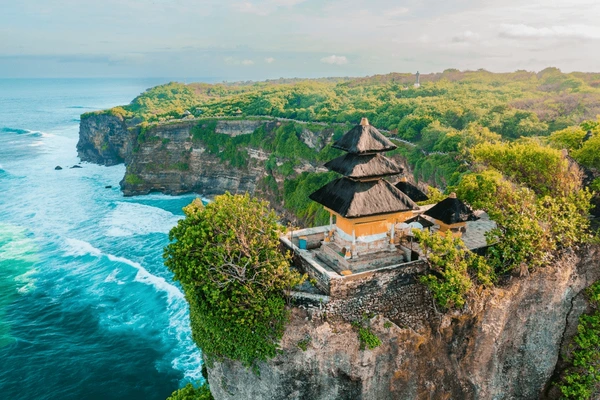
Although it may seem like there aren’t any budget-friendly or free things to do in Bali, there are a few things that are worth exploring that won’t break the bank. Most Balinese temples, like Saraswati, Tirta Empul, or village shrines, welcome visitors during ceremonies and are often free or welcome donations. You can quietly observe traditional offerings, music, and dance.
Walk Kajeng & Sweet Orange Trails (Free)
We touched on this briefly above, but these are scenic walking paths that wind through Ubud’s rice fields for a calm break from busy streets. You don’t need a guide or a ticket; just bring water and good shoes. Small cafés along the way make great stops, and you can tip local farmers if they allow photos in their fields.
Watch Traditional Dance Rehearsals (Free)
In many villages, you can catch evening dance rehearsals in temple courtyards or community halls. These are usually free to watch, as they’re meant for locals preparing for ceremonies. Visitors are welcome to observe respectfully, just keep voices low and offer a small donation if there’s a collection box.
Ubud with Kids
You may think that perhaps Ubud is not kid-friendly, and that’s not true! Ubud is one of those places that just works for families. It’s calm but full of things to explore that may capture the attention of young children. The Sacred Monkey Forest is often a favorite among young kids, as the monkeys can be cheeky and fun to watch. Of course, keep small children at least 5 ft away from the monkeys, as they can be unpredictable. The Tegalalang Rice Terrace is beautiful too, though better suited for older kids since the paths can be steep, and it’s nearly impossible to push a stroller through.
All around town, cafés and small resorts have shaded gardens, little play spots, or pools where kids can cool off while parents relax. You can spend an afternoon trying batik painting or a Balinese dance class, which are great ways to experience the culture. And if you want something slower, the Kajeng or Sweet Orange walks are a peaceful way to take in the scenery. So is Ubud good for kids? Yes! It’s easy, friendly, and a great escape from the beach life of other Balinese cities.
What to Do in Ubud When It Rains
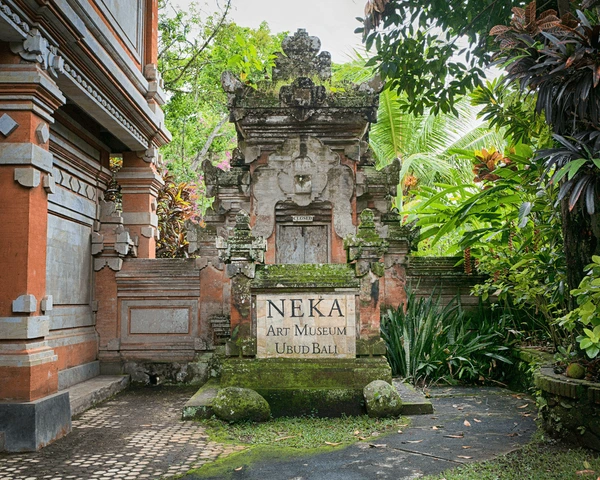
When rain hits Ubud, there is still a lot to do. Indoor activities include joining a Balinese cooking class or visiting museums like Neka or ARMA, as well as relaxing with a spa treatment or café hop under awnings. For a deeper local experience, you can also book a session with a traditional Balinese healer, known as a balian, which many travelers describe as a unique and very personal encounter with Balinese culture. Another option is to explore a silver workshop in Celuk for cultural insight.
Two good spots would be either Clear Café and Seniman Coffee Studio, which are both worth visiting for their covered seating and great views for watching the rain.
Rice terraces remain possible if you wear a poncho and grippy shoes, but skip waterfalls or unsafe paths during heavy storms for safety.
Things to Do Today
Short on time? Ubud is perfect for flexible half-day adventures. You can start your morning with the Tegalalang Rice Terrance, followed by a relaxed Kajeng or Sweet Orange walk, which will give you a mix of beautifully iconic views and peaceful trails. Another option would be to start at the Sacred Monkey Forest with Ubud Palace and Saraswati Water Temple, which are all within walking distance.
After such a busy morning, take the afternoon to unwind at a yoga class, a Balinese massage, or even join a batik painting workshop for a more culturally immersive experience.
If you want a quick evening, enjoy a visit to the Gianyar Night Market or Jalan Goutama for satay, noodles, and tropical fruit, or catch a traditional dance performance at the palace. There is a lot to do in Ubud, but these are some of the easy combos that let you make the most of your time in Ubud, even if you only have one day.
Safety and Etiquette
When you’re visiting temples, dress modestly, cover your shoulders and knees, and move calmly. Keep a distance from offerings, and avoid flying drones in restricted areas. In forests or near waterfalls, watch for wet branches and stay aware of edges on ridges.
Unfortunately, scooter accidents are common in Bali. On scooters, always wear a helmet, and carry water and a hat in hot weather. In terms of illness, Dengue fever is common in Bali, and unfortunately, it is endemic to the region. It is recommended to always wear mosquito repellent, especially during the mornings and evenings, as dengue mosquitoes typically bite during these times and not at night.
Tip: Head to a pharmacy and pick up Soffel Mosquito repellent, the one with the pink cap. This one works the best and is much better than American brands such as OFF.
Following these simple guidelines helps you have a safe, respectful, and enjoyable experience while exploring Ubud’s attractions.
Money and Costs in 2025
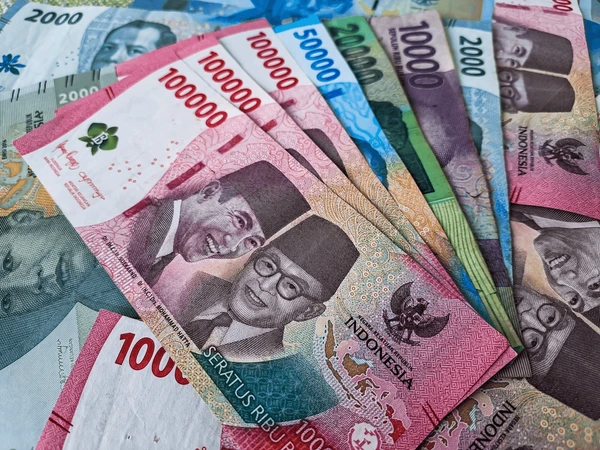
Ubud, typical entry fees range from IDR 10,000-75,000, depending on the activity. Waterfalls often charge IDR 10,000–50,000, parking is around IDR 5,000–10,000, cooking classes cost IDR 300,000–600,000, and yoga and spa sessions cost IDR 150,000–500,000. Hiring a day driver is usually IDR 500,000–700,000, while cafés and warungs range IDR 20,000–150,000 per meal.
Cash is widely used, though many restaurants and hotels accept cards. ATMs inside banks are safest for withdrawals, and most VISA / MASTERCARD ATMS are located in Ubud, but it is harder to find international ATMs when going out of the city. It’s ideal to have a mix of cash and cards for smooth payments for attractions, meals, and transport while exploring Ubud’s cultural, wellness, and natural highlights.
Packing List
- Sunscreen
- Hat
- Light rain jacket in rainy months
- Grippy sandals or water shoes
- Spare socks
- A sarong or plan to rent one
- A dry bag for phones/cameras
- Small cash for donations and parking
- A reusable bottle
- Optional trekking poles for Batur.
- Local SIM card or eSIM setup
You can buy a local SIM card at the airport, in convenience stores, or at small phone shops around Ubud, or activate an eSIM before you arrive. Having local data makes it much easier to use Gojek or Grab and follow routes on Google Maps while you explore.
FAQs
What are the absolute must-tries in Ubud?
Start with Tegalalang Rice Terraces at sunrise for stunning views, then explore Campuhan Ridge during golden hour. Visit Tirta Empul for cultural immersion, stroll through the Sacred Monkey Forest for a playful escape, and end the day with a traditional evening dance performance to experience Ubud’s artistic spirit.
How long should I stay in Ubud?
One day covers highlights, two to three days allow terraces, waterfalls, and cultural shows, while four to five days include Mount Batur and wellness experiences. To make evenings special, pre-book a traditional dance performance or a scenic dinner. Extra time helps you explore at a relaxed pace without rushing.
Can beginners hike Mount Batur?
Yes, beginners can hike Mount Batur with a licensed guide, sturdy footwear, and a headlamp. The trek starts early to catch sunrise, so checking the weather beforehand is essential. Many travelers relax in nearby hot springs afterward, so that’s an option for you if you want a relaxing, peaceful experience as well.
Is Ubud safe at night?
Ubud is generally safe, but use common sense. Stick to well-lit streets, hire a driver after evening shows, and avoid dark shortcuts. Watch your step on slippery paths after rain and keep a charged phone handy, or an emergency battery pack. For emergencies, dial +62 112.
What is the dress code for temples?
When visiting temples in Ubud, wear a sarong and sash, and make sure your shoulders and knees are covered. You can rent or borrow attire at the entrances. Move respectfully and avoid getting too close to ceremonies, and remember to dress appropriately, which shows cultural respect, so you’re welcomed inside sacred spaces.
When is the best month for the greenest terraces?
The terraces are greenest after planting but before harvest, typically just after the rainy season. This period offers the most vibrant views. Because timing can vary slightly each year, ask your hosts or check recent photos online for current field conditions to plan your visit at its peak.
Where can I find budget food near the palace and market?
For affordable, authentic meals near Ubud Palace and the market, try warungs like Ibu Oka for Babi Guling or Warung Biah Biah for local favorites. Small cafés with air conditioning also offer meals between IDR 80,000–150,000. All are within walking distance and ideal for travelers on a budget.
How do I get around without a scooter?
If you don’t ride a scooter, hire a private day driver for multi-stop trips, use ride-hailing apps for point-to-point journeys, or simply walk around Ubud’s central area. For evening performances, arrange return transportation in advance to avoid getting stranded after dark when public transport options are limited.
Can I do Ubud in one day from Canggu or Uluwatu?
Yes, it’s possible with an early start and smart planning. The journey can take 1.5–2.5 hours each way, depending on traffic, so focusing on three key highlights, like the rice terraces, a temple, and Campuhan Ridge, creates a realistic, rewarding day trip without feeling rushed or overwhelmed by travel time.
Are swings worth it?
Yes, especially for scenic photos, if your budget allows. Always check safety harnesses before getting on. If swings feel too pricey, several cafés with rice terrace views offer similar photo opportunities for less, so you can enjoy the landscape without the premium price of popular swing attractions.
Sources*
- Ubud Tourism Trends, Bali Tourism Board, 2024.
- Sacred Monkey Forest Annual Report, Sacred Monkey Forest Foundation, 2023.
- National Tourism Statistics, Indonesia Ministry of Tourism, 2024.
- Cultural Landscape of Bali Province: the Subak System as a Manifestation of the Tri Hita Karana Philosophy, UNESCO, 2012.
- Ubud Palace Historical and Cultural Records, Ubud Palace Cultural Committee, 2023.
- Dengue Prevention Guidelines, Bali Health Department, 2023.
- Rice Terrace Conservation and Irrigation Data, Bali Agricultural Office, 2023


